Tag: herbal supplement research

  • Are Natural Heart Health Supplements Worth the Cost? A Deep Dive Into Hawthorn Berry

    If you’ve been exploring natural heart health supplements, you’ve likely come across hawthorn berry. It shows up in cardiovascular formulas, standalone capsules, and liquid extracts—sometimes priced at $15, sometimes closer to $60 for the same bottle size. That wide price range raises a fair question: what are you actually paying for, and is any of it worth it? Understanding the research, the product quality differences, and the real-world hawthorn berry health benefits can help you make a smarter buying decision.

    What the Science Says About Hawthorn for Heart Health

    Hawthorn berry research has accumulated steadily over the past few decades, and the findings are genuinely encouraging. Hawthorn berry clinical studies have examined the plant’s effects on everything from blood pressure to exercise tolerance in people with mild heart failure. One of the most frequently cited is the SPICE trial, a large European study that followed patients using standardized hawthorn extract over several years. While results were mixed in terms of mortality outcomes, participants did show improvements in exercise capacity and reported fewer symptoms like fatigue and shortness of breath.

    What makes hawthorn compelling from a scientific standpoint is the specificity of its active compounds. Oligomeric proanthocyanidins and flavonoids—particularly vitexin and hyperoside—are believed to be responsible for most of the cardiovascular effects seen in studies. These compounds support vasodilation, reduce oxidative stress in blood vessel walls, and appear to modulate how the heart muscle uses calcium. That’s not folk medicine guesswork. That’s biochemistry with a meaningful body of hawthorn berry research to back it up.

    Hawthorn and blood pressure is another area drawing continued clinical attention. Several smaller trials have demonstrated modest but consistent reductions in both systolic and diastolic blood pressure among people taking standardized hawthorn extract over eight to sixteen weeks. These results won’t replace antihypertensive medications in people with serious hypertension, but for individuals in the prehypertensive range looking for lifestyle-level support, the data is worth taking seriously.

    Breaking Down the Cost: Cheap vs. Premium Hawthorn Supplements

    Here’s where value analysis gets interesting. A basic hawthorn berry supplement from a discount brand might cost $0.10 to $0.20 per capsule. A premium product from a company that uses standardized extracts and third-party testing can run $0.50 to $1.00 per capsule. That gap looks significant, but it often reflects something real.

    Standardization matters enormously with hawthorn. When a hawthorn supplement lists 1.8% vitexin or 18.75% oligomeric proanthocyanidins on the label, you’re getting a product calibrated to deliver a consistent dose of the compounds that actually drove results in hawthorn berry clinical studies. A cheap product might simply grind up dried hawthorn berries and press them into capsules. You might get some benefit. You might get very little. There’s no way to know, because unstandardized products have wildly variable potency from batch to batch and even berry to berry depending on harvest conditions.

    Third-party testing is the other major cost driver. Reputable manufacturers send their hawthorn extract benefits through independent lab verification to confirm potency, check for heavy metals, and screen for contaminants. This process costs money, and that cost gets passed to the consumer. But it’s the kind of cost that offers genuine value—you’re paying for assurance that the product contains what it claims.

    When shopping for hawthorn berry supplements, look for products that specify the extract ratio (such as 5:1 or 10:1), the percentage of active flavonoids, and any third-party certifications like USP verification or NSF International approval. Those markers usually justify a higher price point.

    Hawthorn Berry Uses and Who Benefits Most

    Understanding who stands to gain the most from hawthorn helps frame whether the cost makes sense for your situation. Hawthorn berry uses span several cardiovascular concerns, but the evidence is strongest for supporting mild heart failure symptoms, improving hawthorn for circulation in people with peripheral vascular issues, and offering gentle blood pressure support.

    People managing early-stage cardiovascular risk through diet, exercise, and lifestyle modification represent a strong target audience for hawthorn berry heart health products. For someone already on prescription medications for heart disease, hawthorn should only be used in conversation with a physician—not because it’s dangerous, but because it can interact with digoxin and other cardiac drugs in ways that require monitoring.

    For healthy adults in their 40s and 50s who want to be proactive about cardiovascular aging, hawthorn extract benefits represent a reasonable, evidence-informed addition to a broader wellness strategy. The hawthorn berry benefits in this group—improved vascular tone, antioxidant protection for arterial walls, mild blood pressure modulation—are modest but real and cumulative over time.

    From a cost-per-benefit perspective, a quality hawthorn supplement taken consistently over several months runs roughly $30 to $50 per month at therapeutic doses. Compare that to other natural heart health supplements like CoQ10 or fish oil at similar doses, and hawthorn is generally competitive. It’s not the cheapest option on the shelf, but the evidence base for hawthorn for heart health is more developed than many botanical alternatives that command similar or higher prices.

    Conclusion: Getting Real Value From Natural Heart Health Supplements

    Hawthorn berry stands out in the crowded market of natural remedies for heart health (https://wiki.tgt.eu.com) heart health supplements because it has genuine clinical backing, well-identified active compounds, and a reasonable safety profile. The hawthorn berry health benefits are real, but they are also dose-dependent and product-dependent. Buying the cheapest option rarely delivers what the research promises. Paying for standardized extract, verified potency, and third-party testing is where the actual value lives.

    If cardiovascular support is your goal, prioritizing a quality hawthorn supplement over a bargain product is one of the more defensible spending decisions in the natural health space. The science is solid enough, the cost is manageable enough, and the potential upside for long-term heart health is meaningful enough to make it worth doing right.

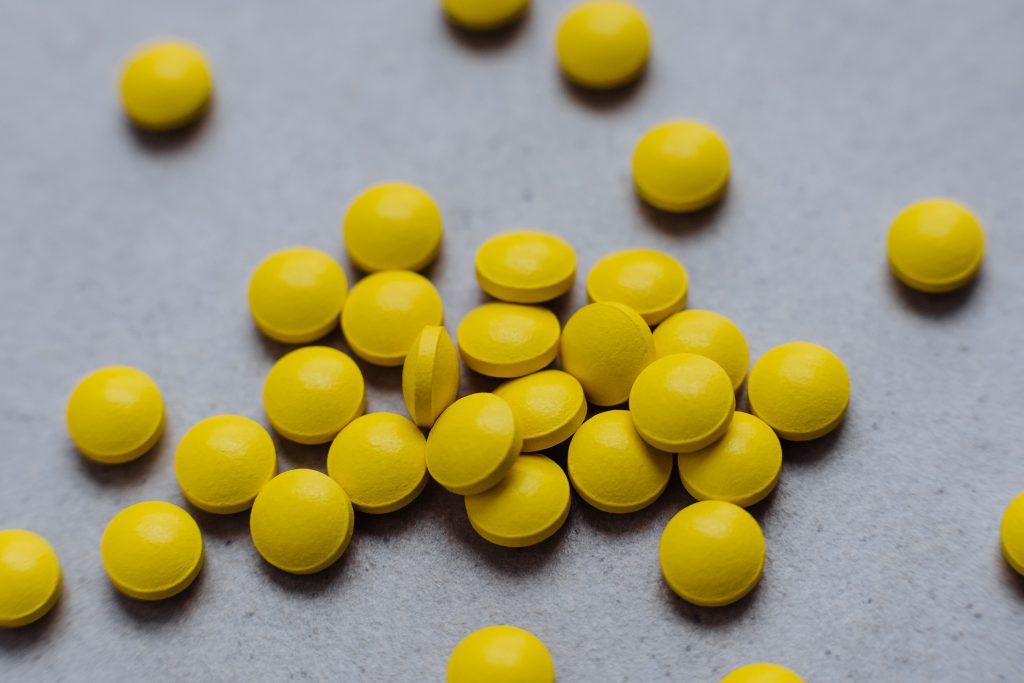
  • Hawthorn Berry Uses: A Comprehensive Guide to This Ancient Heart Herb

    For centuries, healers across Europe and Asia turned to a small, thorny shrub to support cardiovascular health. Today, modern science is catching up with that traditional wisdom. Hawthorn berry uses span a surprisingly wide range of heart and circulatory benefits, and interest in this humble plant has never been higher. Whether you are exploring natural ways to support your heart or simply curious about what the research says, this guide breaks down everything you need to know.

    What Is Hawthorn and Why Does It Matter for Heart Health?

    Hawthorn is a flowering shrub belonging to the Crataegus genus, and it grows widely across North America, Europe, and Asia. The berries, leaves, and flowers are all used medicinally, though the berry is the most commonly discussed in supplement form. What makes hawthorn so intriguing is its rich concentration of flavonoids and oligomeric proanthocyanidins — powerful antioxidants that are believed to be responsible for many of its cardiovascular effects.

    Hawthorn berry heart health applications have been documented in traditional Chinese medicine for thousands of years, where it was used to improve digestion and circulation alike. European herbalists later adopted it specifically for cardiac complaints, and by the early twentieth century it had become a mainstream botanical remedy across much of the Western world. The plant’s long track record is part of what drives continued scientific interest today.

    The heart is a muscle that depends on adequate blood flow, oxygen delivery, and electrical regulation. Hawthorn is thought to support all three of these functions through several overlapping mechanisms, making it one of the more versatile natural heart health supplements available.

    Hawthorn Berry Health Benefits Backed by Research

    The hawthorn berry clinical studies conducted over the past few decades have produced genuinely promising results. One of the most significant was the SPICE trial, a large European multicenter study that examined hawthorn extract in patients with chronic heart failure. While the primary endpoint was not definitively reached, secondary findings suggested that patients who had not yet been prescribed ACE inhibitors showed particular benefit, with reduced rates of cardiac events.

    Other hawthorn berry research has focused on its antioxidant capacity. Oxidative stress plays a significant role in cardiovascular disease, and the flavonoids in hawthorn appear to neutralize free radicals effectively. Some studies suggest hawthorn extract benefits may also include improvements in exercise tolerance and reduced shortness of breath in individuals with mild heart failure — meaningful outcomes for those managing chronic conditions.

    Hawthorn and blood pressure is another area that has attracted scientific attention. Several smaller studies have found that hawthorn supplementation may contribute to modest reductions in both systolic and diastolic blood pressure. The mechanism appears to involve vasodilation — the relaxation and widening of blood vessels — which naturally reduces the pressure the heart must work against. While hawthorn is not a replacement for prescribed antihypertensives, it may offer a complementary option for those with borderline readings.

    Hawthorn for circulation is also well-supported by the existing evidence base. The plant’s active compounds appear to improve coronary blood flow by reducing peripheral vascular resistance and supporting the integrity of blood vessel walls. Better circulation means more efficient delivery of oxygen and nutrients to heart tissue, which is central to long-term cardiovascular wellness.

    How Hawthorn Berry Supplements Are Used Today

    Modern hawthorn berry supplement products come in several forms, including capsules, liquid extracts, tinctures, and teas. Standardized extracts are generally preferred in research settings because they ensure a consistent concentration of active compounds. Most hawthorn extract benefits observed in studies were achieved using extracts standardized to contain a defined percentage of oligomeric proanthocyanidins or flavonoids.

    Dosing varies depending on the product and the intended use, but many hawthorn supplement formulations studied clinically fall in the range of 160 to 900 milligrams of extract per day, often divided into two or three doses. It is worth noting that hawthorn tends to work gradually. Unlike pharmaceutical drugs that can produce noticeable effects within hours, the hawthorn berry benefits related to heart function often require weeks or even months of consistent use before they become apparent. Patience is important when incorporating any botanical into a long-term wellness routine.

    Safety is generally good with hawthorn, particularly at recommended doses. Side effects are typically mild and may include dizziness, nausea, or digestive upset. However, because hawthorn for heart health can interact with certain cardiac medications — particularly digoxin and some blood pressure drugs — it is essential to speak with a healthcare provider before starting supplementation, especially if you are already managing a cardiovascular condition.

    Practical Considerations for Incorporating Hawthorn

    Choosing a quality hawthorn berry supplement matters more than many people realize. The herbal supplement industry is not as tightly regulated as pharmaceuticals, which means product quality can vary considerably. Looking for products that have been third-party tested, clearly list the extract standardization on the label, and come from reputable manufacturers is a worthwhile step. These details help ensure you are actually receiving the compounds that hawthorn berry research has identified as beneficial.

    It is also worth thinking about hawthorn as one component of a broader heart health strategy rather than a standalone solution. Regular physical activity, a diet rich in vegetables, whole grains, and healthy fats, stress management, and adequate sleep all contribute meaningfully to holistic cardiovascular care (https://videogamesasart.com) wellness. Hawthorn works best when it complements these foundational habits rather than replacing them.

    People dealing with diagnosed heart disease should be especially careful. While hawthorn for circulation and general cardiac support is promising, it is not a substitute for evidence-based medical treatment. The most productive approach is an open conversation with your doctor about whether a hawthorn supplement might fit into your overall care plan.

    Conclusion: A Time-Tested Herb Worth Knowing

    Hawthorn berry uses represent one of the more compelling intersections of traditional herbal medicine and modern scientific investigation. The evidence supporting hawthorn berry health benefits — particularly around heart function, blood pressure, and circulation — continues to grow, even if it remains more robust in some areas than others. As one of the most studied botanicals in the natural heart health space, hawthorn deserves serious consideration from anyone looking to support cardiovascular wellness through evidence-informed natural approaches. Whether you are just beginning your research or ready to discuss options with a healthcare provider, understanding the science behind hawthorn berry uses is a valuable starting point for making informed decisions about your heart health.

  • Hawthorn Berry Health Benefits: Your Most Common Questions Answered

    If you’ve been exploring natural heart health supplements, chances are hawthorn berry has come up in your research. This small, thorny shrub has been used in traditional medicine for centuries, and today it’s generating serious interest from both everyday wellness seekers and medical researchers alike. So what exactly does the science say, and is a hawthorn supplement right for you? Let’s work through the most frequently asked questions about hawthorn berry health benefits in plain, honest terms.

    What Is Hawthorn Berry and Why Do People Use It?

    Hawthorn (Crataegus species) is a plant native to Europe, North America, and Asia. Its berries, leaves, and flowers have long been used in herbal medicine, particularly in European and Chinese traditions. Today, most people turn to hawthorn for heart health support, though hawthorn berry uses extend beyond cardiovascular care. The plant is rich in flavonoids and oligomeric proanthocyanidins, two classes of antioxidants believed to drive most of its therapeutic effects.

    People choose a hawthorn berry supplement for a variety of reasons — some are managing early-stage heart concerns, others want general cardiovascular protection, and many are simply drawn to its long history of traditional use. The appeal is understandable. As interest in plant-based wellness grows, hawthorn has positioned itself as one of the more credible options in the natural supplement market.

    What Does the Research Say About Hawthorn for Heart Health?

    This is where things get genuinely interesting. Hawthorn berry clinical studies have produced encouraging results, though researchers are careful to note that the evidence is still building. One of the most widely cited studies is the SPICE trial (Survival and Prognosis: Investigation of Crataegus Extract WS 1442 in CHF), which examined hawthorn extract in patients with heart failure. The results suggested that hawthorn may help reduce the risk of sudden cardiac death in certain patient groups, particularly those with higher heart function at the start of the trial.

    Other hawthorn berry research has focused on its ability to improve blood flow and exercise tolerance in people with mild heart failure. Several smaller trials have shown that hawthorn extract benefits include improved cardiac output, reduced shortness of breath, and decreased fatigue during physical activity. These are meaningful outcomes, even if the overall body of evidence isn’t yet at the level of pharmaceutical drug trials.

    The antioxidant properties of hawthorn also matter here. Oxidative stress plays a major role in cardiovascular disease, and the flavonoids in hawthorn appear to help neutralize free radicals and reduce inflammation in blood vessel walls. This contributes to hawthorn berry heart health benefits that go beyond simply improving symptoms.

    Can Hawthorn Help With Blood Pressure and Circulation?

    Many people ask specifically about hawthorn and blood pressure, and it’s one of the more promising areas of hawthorn berry research. Several studies have observed modest reductions in blood pressure among participants taking hawthorn supplements, particularly diastolic blood pressure (the lower number). One notable pilot study published in a peer-reviewed journal found that 1,200 mg of hawthorn extract daily for 16 weeks produced meaningful blood pressure reductions in people with type 2 diabetes who were also hypertensive.

    Hawthorn for circulation is equally worth discussing. The plant appears to dilate blood vessels, which improves blood flow throughout the body and reduces the workload on the heart. This vasodilatory effect is thought to be related to the inhibition of an enzyme called angiotensin-converting enzyme (ACE), the same target as a common class of blood pressure medications. That’s a significant mechanism, and it helps explain why hawthorn extract benefits extend to both blood pressure regulation and overall circulatory health.

    It’s worth noting that hawthorn is generally considered a gentle, slow-acting herb. Most clinical protocols run for at least 8 to 12 weeks before significant benefits are observed. This isn’t a quick fix — it’s a long-term support strategy.

    Is Hawthorn Berry Safe, and How Should You Take It?

    Hawthorn is widely regarded as safe for most adults when used as directed. Side effects are rare and typically mild, including dizziness, nausea, or digestive upset in some individuals. However, because hawthorn for heart health can interact with certain cardiac medications — including digoxin and blood pressure drugs — it’s essential to speak with your doctor before adding a hawthorn supplement to your routine. This is especially important if you’re already being treated for a cardiovascular condition.

    Dosage varies depending on the product and the condition being addressed. Many hawthorn berry clinical studies have used standardized extracts containing 1.8 to 2% vitexin (a key flavonoid), typically in doses ranging from 160 mg to 1,800 mg per day. When choosing a hawthorn berry supplement, look for products that specify their standardization level so you know you’re getting consistent potency.

    Quality matters significantly in the supplement market. Not all hawthorn supplements are created equal, and choosing a reputable brand with third-party testing will give you a much better chance of experiencing the hawthorn extract benefits that research supports.

    The Bottom Line on Hawthorn Berry Health Benefits

    Hawthorn berry sits in an interesting space — it’s backed by enough credible hawthorn berry research to be taken seriously, yet it’s still awaiting the kind of large-scale definitive trials that would cement its place in mainstream cardiovascular care. What we do know is that hawthorn has centuries of traditional use, a growing body of supportive clinical evidence, and a strong safety profile when used appropriately.

    The hawthorn berry health benefits most consistently supported by research include improved cardiac function in mild heart failure, modest blood pressure reduction, enhanced circulation, and significant antioxidant protection. For people looking to complement a heart-healthy lifestyle with natural support, hawthorn is one of the more evidence-informed choices available.

    As always, no supplement replaces medical care, a balanced diet, regular exercise, and guidance from your healthcare provider. But if you’re curious about hawthorn berry benefits and want a natural blood pressure support (https://www.wikimontessori.com/index.php/Utilisateur:KeeshaLillico5) option with a meaningful track record, the evidence suggests this ancient herb is well worth a thoughtful conversation with your doctor.

  • Hawthorn Supplement: Expert Tips for Supporting Heart Health Naturally

    If you’ve been exploring natural ways to support cardiovascular wellness, chances are you’ve come across the hawthorn supplement. Used for centuries in traditional herbal medicine, hawthorn has earned serious attention from modern researchers and health practitioners alike. Whether you’re managing blood pressure, looking to improve circulation, or simply wanting to be proactive about heart health, understanding how hawthorn works — and how to use it wisely — can help you make smarter decisions for your long-term wellbeing.

    What Makes Hawthorn So Valuable for the Heart

    Hawthorn is a thorny shrub in the Rosaceae family, and its berries, leaves, and flowers have all been used medicinally for generations. The hawthorn berry health benefits stem primarily from a rich concentration of flavonoids and oligomeric proanthocyanidins (OPCs) — powerful antioxidants that help protect cells from oxidative stress and support healthy blood vessel function.

    These compounds are at the heart of why so many people turn to hawthorn for heart health. Antioxidants in hawthorn berry may help reduce inflammation in arterial walls, support the dilation of blood vessels, and improve the efficiency with which the heart muscle pumps blood. The result, when used consistently and appropriately, can be meaningful support for cardiovascular function over time.

    Hawthorn berry benefits don’t stop at antioxidant action. Research suggests this botanical may also support healthy cholesterol metabolism, helping to reduce the buildup of plaque in the arteries. For people looking for natural heart health supplements that go beyond basic nutrition, hawthorn offers a well-rounded profile that few other botanicals can match.

    What the Research Actually Shows

    Hawthorn berry clinical studies have provided a compelling body of evidence supporting its use as a cardiovascular aid. One of the most significant trials, known as the SPICE trial, examined hawthorn extract in patients with heart failure and found promising trends in symptom improvement. While results have been mixed across different study designs, many hawthorn berry research findings consistently point to improvements in exercise tolerance, reduction in fatigue, and decreased shortness of breath in individuals with mild cardiac insufficiency.

    Hawthorn and blood pressure is another area where research has shown encouraging results. Several controlled studies suggest that regular use of hawthorn extract may contribute to modest reductions in both systolic and diastolic blood pressure readings. This effect is thought to be linked to hawthorn’s ability to relax peripheral blood vessels, reducing the resistance that the heart must work against.

    It’s worth noting that hawthorn berry research is still growing. The evidence is strongest for people dealing with mild to moderate cardiovascular concerns, and it should not replace prescribed medications without medical supervision. That said, the accumulating data gives both practitioners and patients good reason to take this herb seriously as a supportive tool.

    Hawthorn Extract Benefits: How to Use It Effectively

    Understanding hawthorn berry uses goes hand in hand with knowing how to get the most out of supplementation. Hawthorn extract benefits are most reliably delivered through standardized products, which specify the concentration of active compounds — typically measured in terms of flavonoid or OPC content. Look for supplements standardized to at least 1.8% vitexin or 18% oligomeric proanthocyanidins to ensure you’re getting a therapeutically relevant dose.

    Consistency matters enormously with hawthorn for circulation and heart support. Unlike some supplements that produce immediate effects, hawthorn tends to work gradually. Most clinical trials have run for six weeks to several months, and practitioners often advise patients to commit to at least eight weeks of consistent use before evaluating results. Think of it less like a quick fix and more like a long-term investment in cardiovascular resilience.

    Dosage is another critical factor. Most recommendations for a hawthorn berry supplement fall in the range of 160 to 900 milligrams per day, divided into two or three doses. However, individual needs vary, and starting on the lower end of this range is generally advisable, particularly for those new to the supplement. Consulting with a healthcare provider — especially one knowledgeable in integrative medicine — can help you dial in the right dose for your specific health goals.

    Timing and pairing also influence outcomes. Taking hawthorn with meals may improve tolerability and absorption. Some people combine hawthorn with other evidence-plant based heart supplements; https://punbb.skynettechnologies.us/, cardiovascular supplements like CoQ10 or magnesium, but again, professional guidance is recommended before layering multiple supplements.

    Expert Tips for Safe and Smart Supplementation

    Quality is everything with a hawthorn supplement. The supplement industry is not uniformly regulated, which means product quality varies significantly. Opt for brands that conduct third-party testing and provide certificates of analysis. Reputable manufacturers will be transparent about their sourcing and standardization processes. Choosing whole-berry extracts or products that use both leaves and flowers can also broaden the spectrum of beneficial compounds you’re receiving.

    Be aware of potential interactions. Hawthorn may interact with heart medications, particularly digoxin and other cardiac glycosides, as well as certain blood pressure drugs. Anyone currently taking prescription cardiovascular medications should consult their physician before adding hawthorn to their routine. This is not a reason to avoid it — it’s simply a reason to be strategic and informed.

    Monitor how your body responds. Some individuals experience mild side effects like dizziness, nausea, or headache, particularly when starting supplementation or when doses are too high. These effects usually resolve with dosage adjustment. Tracking your blood pressure, energy levels, and any symptoms in a simple journal can help you and your healthcare provider assess progress accurately.

    Finally, remember that no supplement operates in isolation. Hawthorn for heart health works best as part of a broader lifestyle strategy that includes a heart-healthy diet, regular physical activity, adequate sleep, and stress management. Think of hawthorn as a powerful ally — not a standalone solution.

    Making an Informed Choice About Hawthorn

    The evidence behind the hawthorn supplement is meaningful, and its long history of traditional use adds an additional layer of credibility that many newer botanicals simply don’t have. When used thoughtfully, with attention to quality, dosage, and individual health context, hawthorn berry supplement can be a genuinely valuable addition to a heart-focused wellness routine.

    Whether you’re motivated by hawthorn and blood pressure support, improved circulation, or simply a desire to nurture your cardiovascular system naturally, hawthorn deserves a place in the conversation. Speak with a qualified healthcare provider, choose a high-quality product, and give it time to work. Your heart is worth the investment.

  • Hawthorn Berry Benefits: A Deep Dive Into Nature’s Most Promising Heart Herb

    For centuries, healers across Europe and Asia turned to a small, tart berry growing on thorny shrubs to support the heart and circulatory system wellness – https://punbb.skynettechnologies.us/profile.php?id=678100 – system. Today, modern science is catching up with what traditional medicine long suspected. Hawthorn berry benefits are becoming increasingly recognized in wellness circles, and for good reason. This unassuming fruit, derived from the Crataegus plant family, offers a remarkable range of advantages that make it one of the most compelling natural heart health supplements available today.

    What Makes Hawthorn Berry So Powerful

    The secret behind hawthorn’s effectiveness lies in its rich concentration of bioactive compounds. Hawthorn berries are loaded with flavonoids, oligomeric proanthocyanidins (OPCs), and vitexin — potent antioxidants that work at the cellular level to protect and support cardiovascular function. These compounds give hawthorn its distinctive ability to reduce oxidative stress, which is a key driver of heart disease and arterial damage.

    Unlike many herbal remedies that offer vague, difficult-to-measure effects, hawthorn berry health benefits are specific and physiologically grounded. The plant’s compounds interact directly with heart muscle tissue, influencing how efficiently the heart contracts and how well blood flows through the body’s network of vessels. This is why hawthorn has attracted serious attention not just from naturopaths, but from cardiologists and pharmacologists as well.

    Hawthorn for Heart Health and Circulation

    Perhaps the most well-documented area of hawthorn’s effectiveness involves its direct impact on heart function. Hawthorn for heart health works through several mechanisms simultaneously. It dilates coronary blood vessels, improving oxygen delivery to the heart muscle itself. It also helps regulate heart rate and supports the overall efficiency of cardiac contractions. For people dealing with mild to moderate heart failure, early-stage coronary artery disease, or general cardiovascular fatigue, these effects can be meaningful.

    Hawthorn for circulation extends beyond the heart as well. By relaxing the smooth muscle tissue in blood vessel walls, hawthorn allows vessels to dilate more easily. This improved vascular flexibility means blood moves more freely throughout the body, reducing the strain placed on the heart with every beat. Many users report reduced feelings of breathlessness and improved exercise tolerance after consistent hawthorn supplement use, both of which align with what hawthorn berry research has demonstrated in controlled settings.

    The connection between hawthorn and blood pressure is also worth examining closely. Several studies have explored hawthorn’s ability to modestly lower elevated blood pressure, particularly diastolic readings. While it is not a replacement for prescribed antihypertensive medications, hawthorn extract benefits related to blood pressure regulation make it a valuable complementary option for people working to keep their numbers in a healthy range through lifestyle and natural support strategies.

    What Hawthorn Berry Clinical Studies Reveal

    The scientific community has invested real effort into understanding hawthorn berry clinical studies, and the findings are encouraging. One of the most significant trials, the SPICE study, examined hawthorn extract in patients with heart failure over an extended period. While the overall mortality findings were mixed, subgroup analyses suggested meaningful benefits for patients with less advanced disease, reinforcing the idea that hawthorn works best as a preventive and early-stage support tool rather than a treatment for severe cardiac conditions.

    Other hawthorn berry research has confirmed the herb’s antioxidant capacity, its anti-inflammatory effects, and its ability to reduce the accumulation of fats in arterial walls. These properties directly address several root causes of cardiovascular disease, making hawthorn a genuinely multi-targeted approach to heart protection. Research has also examined hawthorn berry uses in managing symptoms of anxiety-related heart palpitations, with some evidence suggesting the herb has mild calming effects on the nervous system, which in turn benefits heart rhythm stability.

    One consistent finding across hawthorn berry clinical studies is that the herb is well-tolerated by most adults. Side effects are generally mild and infrequent, which is a significant advantage compared to many pharmaceutical cardiovascular agents that carry substantial risk profiles.

    Choosing and Using a Hawthorn Supplement

    Not all hawthorn products are created equal. When selecting a hawthorn berry supplement, it is important to look for standardized extracts that specify the percentage of oligomeric proanthocyanidins or flavonoids. Standardization ensures you are getting a consistent, therapeutically relevant dose with each serving rather than unpredictable potency from batch to batch.

    Hawthorn uses span several formats, including capsules, liquid extracts, teas, and tinctures. Capsules and standardized extracts tend to offer the most reliable dosing. Most research has used daily doses ranging from 300 to 1800 milligrams of hawthorn extract, often divided across two or three servings throughout the day. Consistency matters with hawthorn — benefits tend to accumulate over weeks of regular use rather than appearing immediately after a single dose.

    It is worth noting that hawthorn can interact with certain heart medications, including digoxin and some beta-blockers. Anyone already managing a cardiovascular condition with prescription drugs should consult a healthcare provider before adding hawthorn extract benefits to their routine. This precaution is not a reflection of hawthorn’s danger, but rather a sign that it is genuinely pharmacologically active enough to warrant mindful use.

    Conclusion: A Time-Tested Herb With Modern Validation

    The story of hawthorn berry benefits is a compelling one that bridges ancient wisdom and contemporary science. From supporting healthy blood pressure and circulation to protecting the heart muscle from oxidative damage, hawthorn offers a broad spectrum of cardiovascular advantages backed by growing clinical evidence. As one of the most well-studied natural heart health supplements in the herbal pharmacopeia, hawthorn deserves serious consideration for anyone committed to proactive cardiovascular care.

    Whether you are looking to maintain heart health as you age, complement a heart-healthy lifestyle, or explore evidence-based natural options alongside conventional medical guidance, hawthorn berry benefits make it a standout choice. The research is promising, the safety profile is reassuring, and the tradition behind this remarkable berry runs deep. Sometimes the oldest remedies earn their reputation for a very good reason.

  • Hawthorn Berry Benefits: A Complete Guide to Nature’s Heart Health Powerhouse

    Few plants have earned a more respected place in the world of natural medicine than hawthorn. Used for centuries across Europe and Asia, this small but mighty berry is now backed by a growing body of modern research. If you’re curious about hawthorn berry benefits and whether this ancient remedy deserves space in your wellness routine, you’ve come to the right place.

    What Makes Hawthorn Berry So Powerful for Heart Health

    Hawthorn (Crataegus monogyna and related species) is a thorny shrub whose berries, leaves, and flowers have all been studied for their therapeutic properties. The plant is rich in bioflavonoids and oligomeric proanthocyanidins, two classes of antioxidants that give hawthorn its remarkable ability to support cardiovascular health studies (punbb.skynettechnologies.us) function. These compounds help reduce oxidative stress in the arterial walls, improve blood vessel elasticity, and support healthy circulation throughout the body.

    Hawthorn for heart health isn’t a modern marketing invention. Traditional herbalists prescribed hawthorn preparations for weakness of the heart, irregular pulse, and poor circulation long before pharmaceutical drugs existed. What’s changed is that science is now catching up, offering clinical validation for what healers observed over generations.

    The flavonoids in hawthorn work through several pathways simultaneously. They help dilate coronary arteries, which improves oxygen delivery to the heart muscle itself. They also have mild anti-inflammatory effects on blood vessels and may help reduce the accumulation of plaque. This multi-action profile is one reason hawthorn berry health benefits are so broad and why researchers continue to investigate its full therapeutic potential.

    What Hawthorn Berry Clinical Studies Actually Show

    The research on hawthorn is more substantial than many people realize. Several hawthorn berry clinical studies have examined its effects in patients with mild to moderate heart failure, and the findings are genuinely promising. One of the most significant is the SPICE trial, a large European study that evaluated hawthorn extract in heart failure patients over a two-year period. While results were mixed in the full population, a subgroup analysis suggested meaningful benefit for patients with higher ejection fractions, pointing researchers toward more targeted applications.

    Hawthorn and blood pressure is another area of active interest. A 2006 randomized controlled trial published in the British Journal of General Practice found that hawthorn extract supplementation led to a meaningful reduction in diastolic blood pressure compared to placebo in patients with type 2 diabetes. The effect was modest but consistent, suggesting hawthorn supplement use could play a supportive role in a broader blood pressure management strategy.

    Hawthorn berry research also supports its role in improving exercise tolerance. Studies have shown that people taking standardized hawthorn extract reported reduced fatigue during physical activity and improved endurance over time. This is likely connected to hawthorn’s ability to enhance hawthorn for circulation by relaxing the smooth muscle in blood vessel walls, allowing more efficient blood flow to working muscles.

    It’s worth noting that hawthorn is not a replacement for prescribed cardiac medications. Responsible discussion of hawthorn extract benefits always emphasizes its role as a complement to conventional care, not a substitute. Anyone managing a diagnosed heart condition should work with their healthcare provider before adding any natural heart health supplements to their regimen.

    How to Choose a Quality Hawthorn Supplement

    Not all hawthorn products are created equal. The supplement industry is largely self-regulated, which means quality, potency, and purity can vary significantly from one brand to another. When evaluating a hawthorn berry supplement, standardization is the most important factor to consider.

    A high-quality hawthorn supplement should be standardized to contain a specific percentage of active constituents, typically oligomeric proanthocyanidins (OPCs) at around 1.8 to 2 percent, or vitexin-2-rhamnoside at approximately 0.5 percent. These benchmarks help ensure that each dose delivers a consistent and therapeutically relevant amount of the compounds responsible for the plant’s effects. Products that simply list “hawthorn berry powder” without standardization data are difficult to evaluate and may deliver far less than expected.

    Hawthorn berry uses in supplement form include capsules, liquid extracts, tinctures, and teas. Standardized capsule or tablet forms are generally preferred for consistent dosing. Most clinical research has used doses in the range of 160 to 900 milligrams of standardized extract per day, often divided into two or three doses. Liquid extracts can also be effective but require careful attention to concentration and dosing instructions.

    Third-party testing is another quality marker worth prioritizing. Look for hawthorn berry supplement options that have been tested by independent laboratories such as NSF International, USP, or ConsumerLab. These certifications verify that what’s on the label is actually in the bottle, free from harmful contaminants.

    Hawthorn Berry Benefits Beyond the Heart

    While hawthorn’s reputation is built on cardiovascular support, hawthorn berry uses extend into other areas of wellness. The antioxidant compounds responsible for its heart-protective effects also appear to have anti-inflammatory properties more broadly, which may support immune resilience and cellular health over time.

    Some hawthorn berry research suggests potential benefits for digestive function, with traditional applications including its use for indigestion and stomach cramping. There is also preliminary interest in hawthorn’s role in managing anxiety, as some animal studies have suggested mild anxiolytic effects. Human research in this area remains limited, but it adds another dimension to hawthorn’s overall health profile.

    From a safety standpoint, hawthorn is generally well tolerated when used as directed. Reported side effects are rare and typically mild, including occasional nausea, dizziness, or headache. It can interact with certain heart medications, including digoxin and beta-blockers, which reinforces the importance of medical consultation before starting supplementation.

    Conclusion: Is Hawthorn Berry Right for You

    Hawthorn berry benefits represent one of the more compelling intersections of traditional botanical wisdom and modern clinical evidence. Whether you’re looking to support healthy blood pressure, improve circulation, or simply invest in proactive heart care, hawthorn offers a well-studied, generally safe option worth serious consideration. The key is choosing a quality, standardized hawthorn supplement and using it as part of a comprehensive approach to cardiovascular wellness that includes a balanced diet, regular exercise, and routine medical care. With centuries of use and a growing library of scientific inquiry behind it, hawthorn berry remains one of nature’s most trusted allies for heart health.