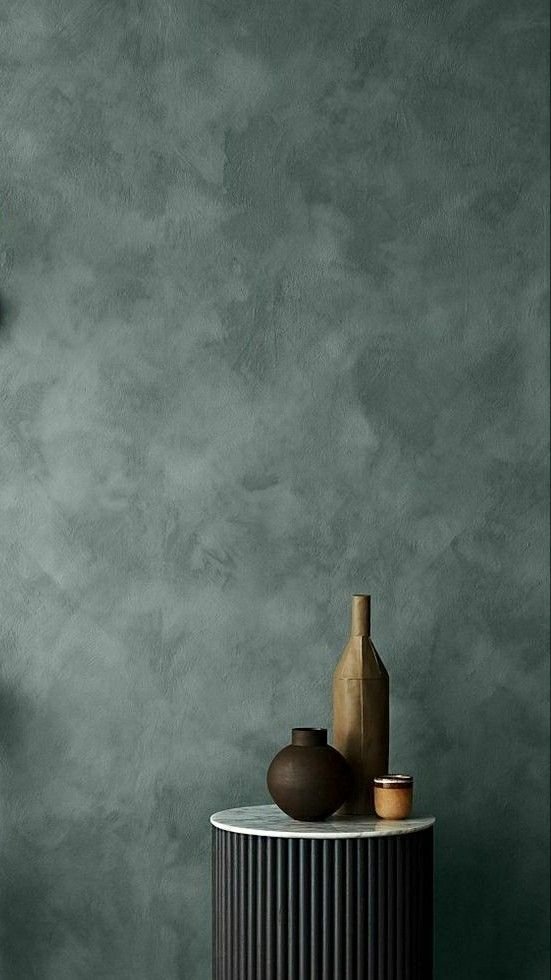
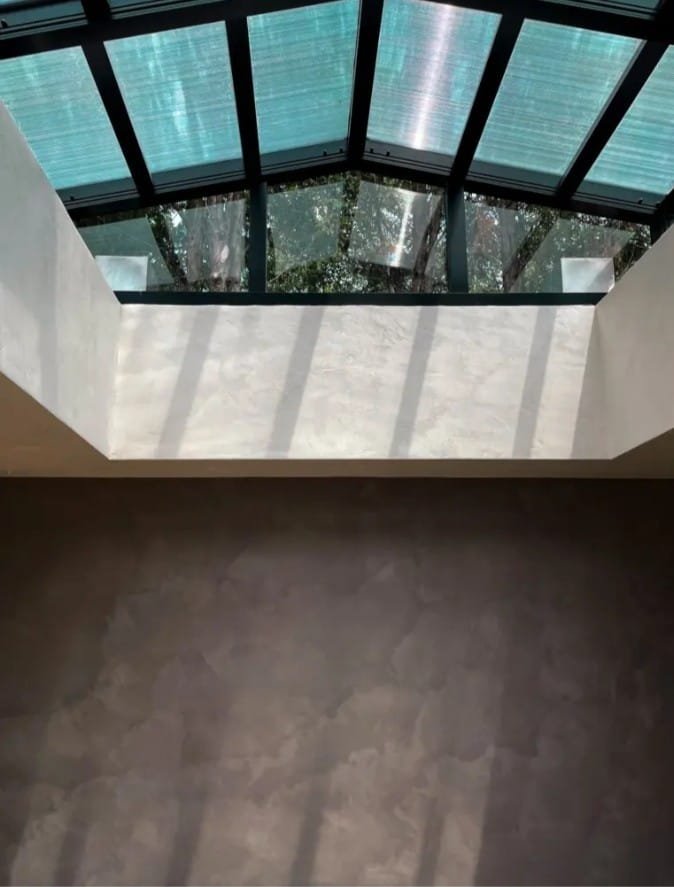
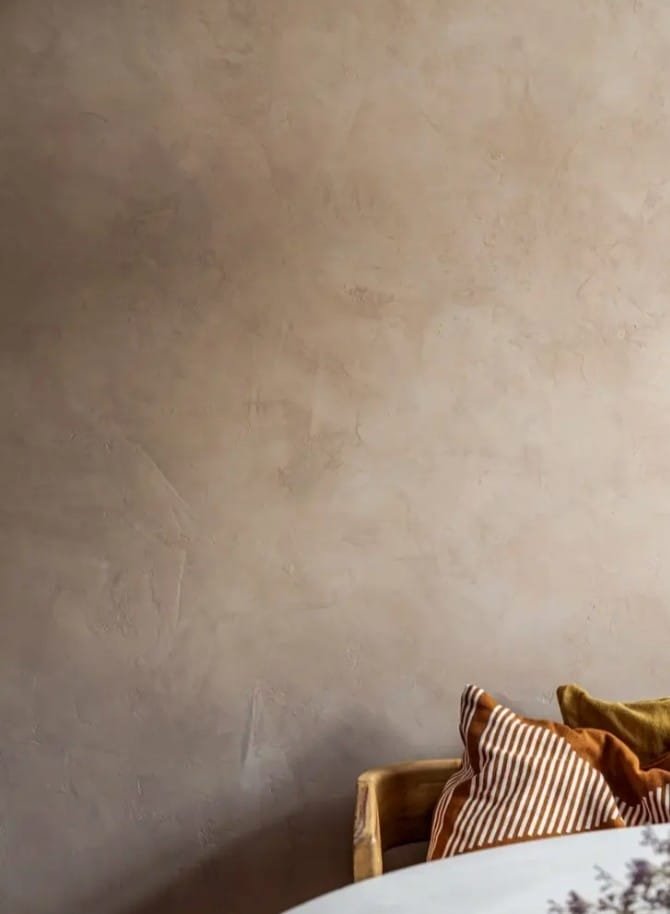
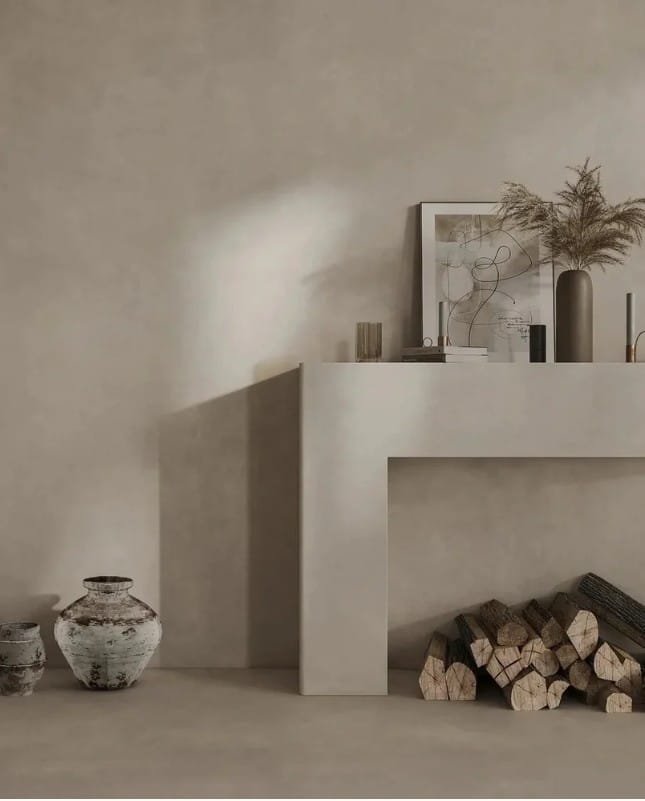
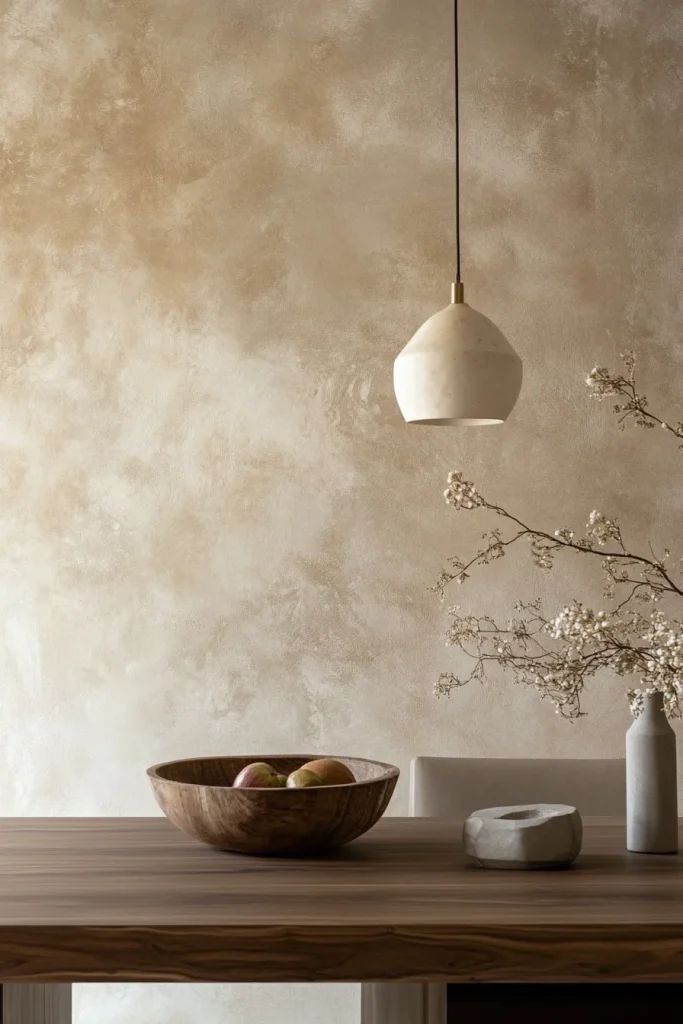
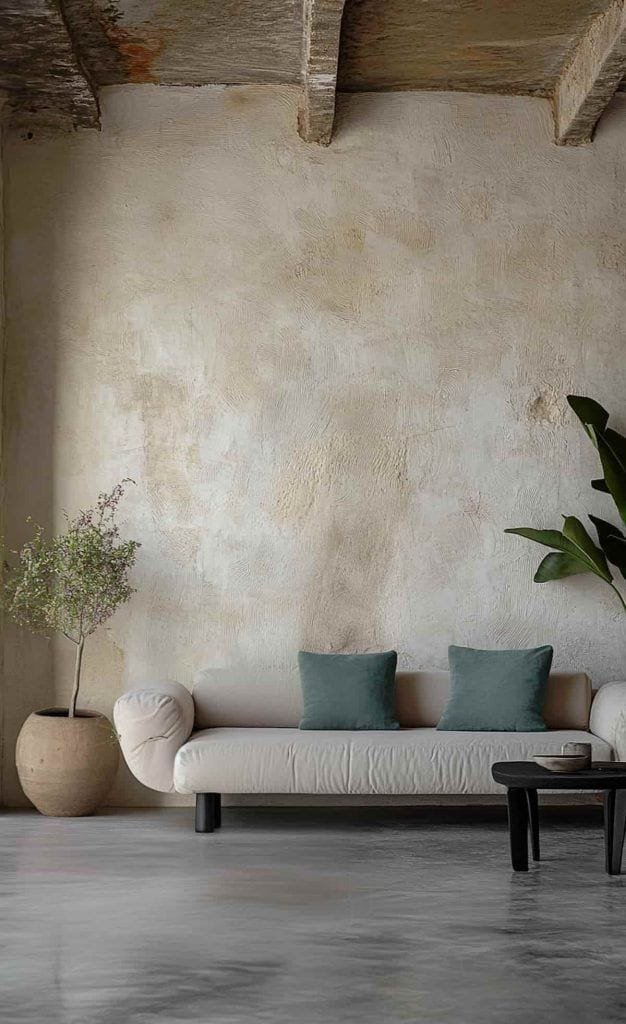
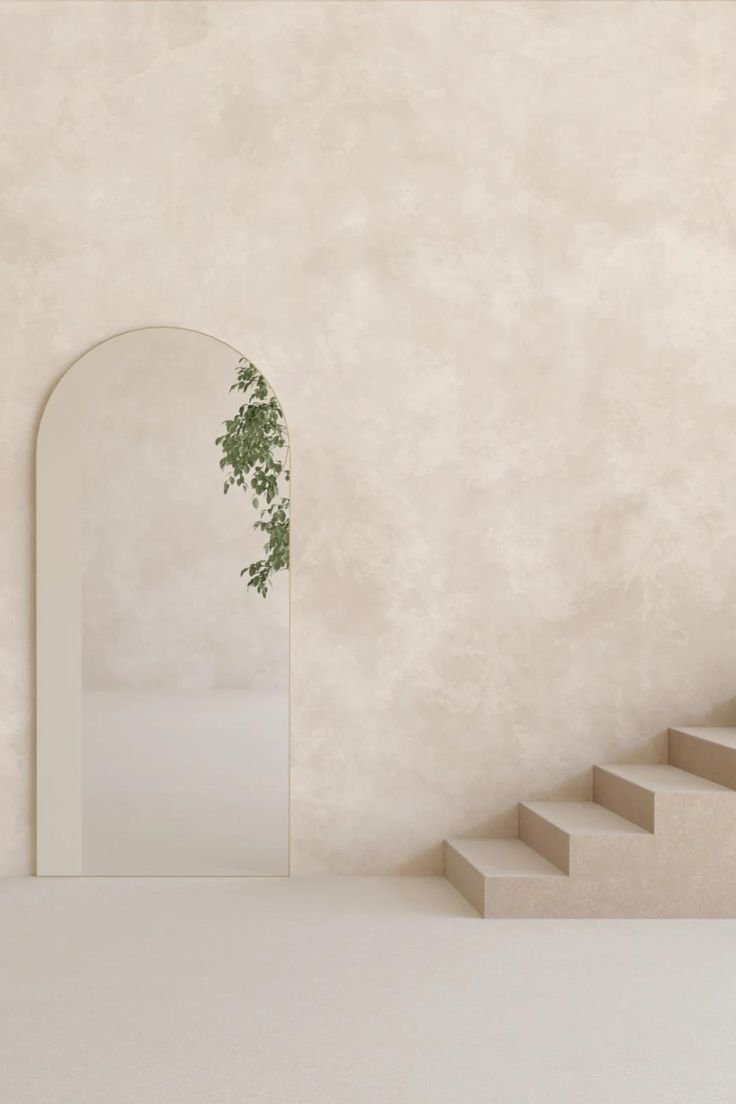
Limewash, is the coating applied over lime plaster/render, wattle and daub and clay lump surfaces that allows the building to continue to breathe, allowing vapour/moisture to pass out of the structure. Limewash today is also used on modern surfaces including brick, cement and gypsum plaster as well as broader uses including wooden fencing, garden walls, timber framing (which was traditionally limed for protection), green houses and factory roof lights, the last two are for shading against the sun as limewash adheres to glass and fibreglass for a full year or more.
Limewash is a basic dilution of mature lime putty with water plus any additives that may be needed to improve certain properties and finally colour if desired. Traditionally different areas (geographically) used different additives to improve these properties. Lime absorbs carbon dioxide from the atmosphere and reverts back to chalk from whence it came.
Why use Limewash and not paint?
Lime render is much softer than cementatious renders and breathes readily to allow vapour passage. Modern paints tend to be too strong and will pull the surface off the plaster and paint flaking can ensue. Add to the main fact that the breathability of paints varies greatly and detracts from the vapour movement required in old and historic buildings, keeping wet out and allowing the damp to escape again which can result in rotting of timbers and sole plate.