How to Store and Safeguard Your Air Jordan Collection
You shelled out the funds, waited through the raffles, potentially even camped outside a store at dawn — and now you have a increasing Air Jordan collection that is worthy of more than a mess on the bedroom floor. Appropriate storage is the thing separating between a pair that stays factory-fresh in five years and one that falls apart, turns yellow, or deforms beyond saving. Whether you own three pairs or thirty, knowing the threats of sneaker preservation — dampness, high temperatures, ultraviolet light, and air exposure — will defend your kicks and maintain your sneakers at their finest. This walkthrough covers everything from fundamental preservation rules to advanced conservation practices used by passionate collectors. Treat your Air Jordans properly, and they will repay you with years of fresh looks and healthy resale. Let’s break down the nitty-gritty so your collection keeps perfect for 2026 and well beyond.
Knowing What Ruins Sneakers Over Time
The largest hazard to your Air Jordans is not putting on them — it is neglecting them while they rest in storage. Polyurethane midsoles start to break down through water-based degradation when exposed to dampness over lengthy stretches, which is why sealed pairs from the 1990s often crumble completely the instant someone laces up them. Sunlight from window exposure speeds up color change on clear and white soles outsoles and icy transparent soles, particularly ruinous on models like the Air Jordan 11 Concord. Thermal cycling trigger adhesives to deteriorate, triggering peeling where the sole separates from the upper. Even the Nike boxes themselves play a role to breakdown — acid in factory Nike cardboard can tint leather and textile over years of resting against. Learning about these risks delivers you the knowledge base to create a care approach that directly combats each nike air jordan one.
The Optimal Storage Environment
Temperature and humidity level regulation provides the foundation of any committed shoe care plan. Try to store your collection between 60 and 72 degrees Fahrenheit with RH between 40 and 50 percent. A affordable digital humidity monitor, found for under $15, lets you track parameters and tells you if humidity creeps into risky levels. Basements and detached garages are the most damaging places because they suffer the biggest temp fluctuations and accumulate dampness that accelerates foam breakdown in PU foam. A climate-managed room, dedicated room, or specific closet with steady airflow makes the most effective storage space for any collection. If you live in a moisture-heavy region like the southern United States or Southeast Asia, having a compact dehumidifier requires just a few dollars per month in energy and delivers outstanding coverage. Unlit areas are also advantageous since preventing light exposure keeps soles pristine and prevents leather from cracking.
Critical Protection Items
| Supply | Purpose | Approximate Cost | Replacement Frequency |
|---|---|---|---|
| Silica gel packets | Absorb moisture, prevent hydrolysis | $8–$12 per 50-pack | Roughly every 3 to 6 months |
| Acid-free tissue paper | Hold form, block creases | $10–$15 per 100 sheets | Once a year |
| Clear drop-front boxes | Block dust, see your shoes, stack neatly | $6–$10 each | 5+ years |
| Cedar shoe trees | Absorb odor and moisture, hold shape | $15–$25 per pair | 2–3 years |
| Digital hygrometer | Keep tabs on humidity and temperature | $10–$15 | Change battery annually |
| UV-blocking window film | Block UV rays that cause yellowing | $20–$40 per roll | 3–5 years |
Storage Container Choices
Most first-timers don’t realize how much the container you go with makes a difference, because it fundamentally dictates the conditions around your kicks. Factory Nike packaging give poor shielding — pH-imbalanced box material that offers no seal against humidity or debris. See-through front-drop acrylic containers have established themselves as the preferred option among shoe fans because they are non-acidic, easy to stack, and let you see your collection without lifting each case. For the highest level of security, hermetic containers with moisture absorbers inside proactively wick residual water vapor and sustain minimal humidity around each pair. Vacuum-sealed bags perform for extended storage but can crush collar padding and affect structure if left for extended periods. Timber shoe shelves with transparent doors give an elegant display that also stops UV and airborne particles. Whatever container you choose, never store Air Jordans in poly bags without airflow, as sealed-in humidity fast-tracks oxidative yellowing and fosters mold and mildew proliferation.
Stuffing, Holding Form, and Encasing Approaches
Take a couple of minutes to thoroughly set up each pair before depositing them into their container. Extract the standard tissue paper inside new Air Jordans and switch it with archival tissue, as the original paper may contain compounds that transfer onto interior material. Fill the toebox well but not excessively to retain structure and avoid permanent creases from prolonged storage over extended periods. Cedar forms are outstanding for often rocked pairs since cedar by nature soaks up sweat and bad smell, but they can be a bit heavy for light models like the Air Jordan 1 Low. For premium pairs, encase the shoe gently in acid-free paper before depositing it into the container to eliminate material-to-material contact. Adjust shoes with loose laces or pull out laces totally to lessen force on eyelets and the tongue area. If you own glossy patent leather Jordans like the Air Jordan 11, shielding them apart from other shoes avoids the glossy finish from adhering to surrounding items.
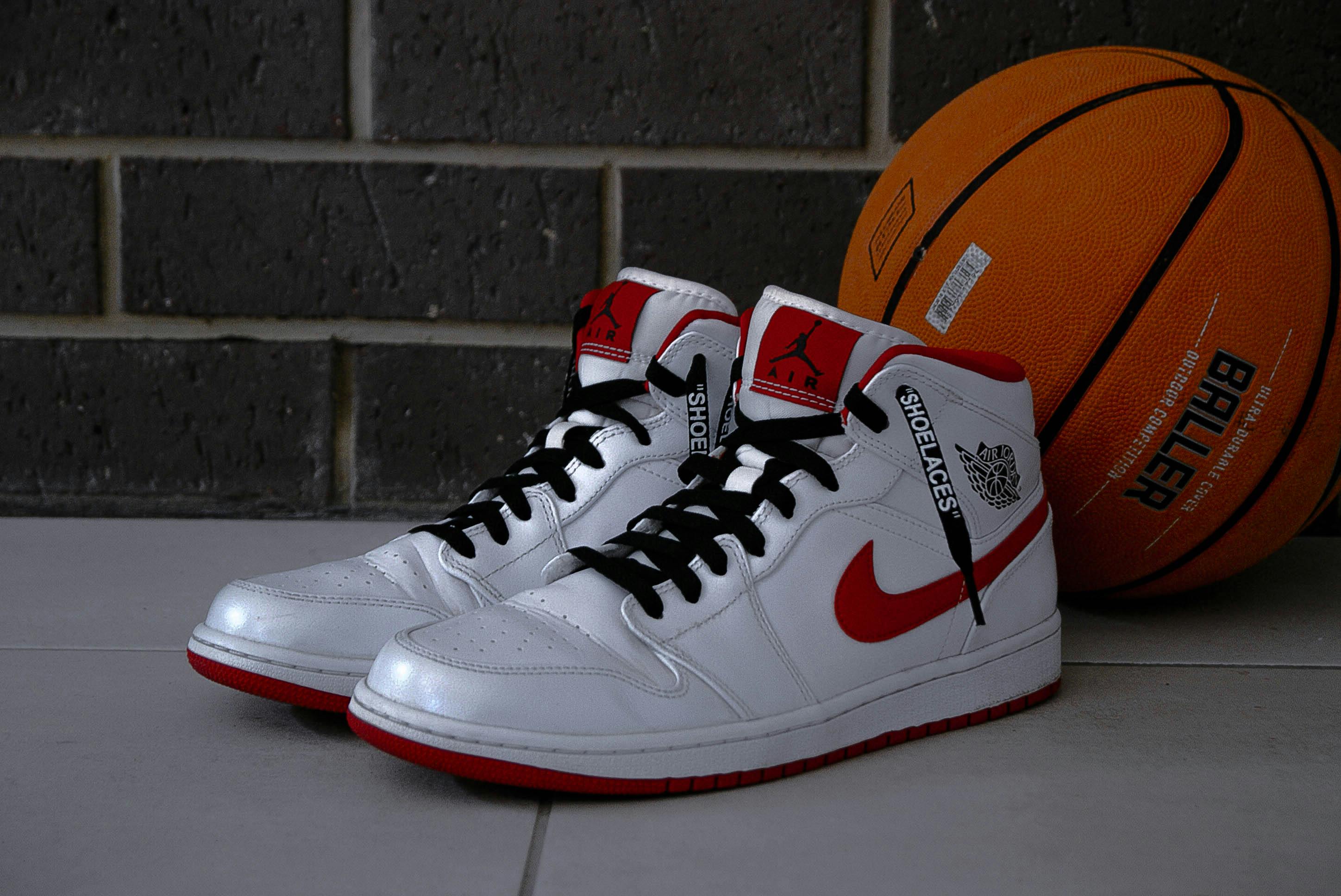
Fixing Yellowing Soles
The most widespread appearance-related issue collectors deal with is oxidative yellowing, especially on shoes with icy transparent outsoles or white soles. The main culprit is air exposure — a natural reaction between rubber molecules and atmospheric oxygen that produces a golden-yellow tone over time. Keeping shoes with silica gel packets in closed containers considerably reduces the oxidation process by limiting access to humidity and surrounding air. If color change has already appeared, remedies like Salon Care 40 Volume Creme Developer used with UV lamp irradiation can undo mild color change through “icing.” Commercial footwear restoration specialists price between $50 and $150 for sole restoration using industrial machinery. Shops like Kicks on the Court have ship-to refreshing including de-yellowing, full cleaning, and protective finish application.
Multi-Year Storage for Collectible Pairs
The care strategy should be far more rigorous if you are sitting on Air Jordans purely as an financial asset. Keep the pair completely deadstock — shoes, laces, and all included items unhandled inside the original packaging with swing tags and extra laces. Store the factory packaging inside a outer airtight container with four to six silica gel packets to lower air exposure and dampness. Store the container in the least illuminated, most climate-stable spot accessible, optimally an inner closet away from exterior walls where heat fluctuates most. Check investment pairs every three to four months, renewing desiccant and examining for discoloration, adhesive failure, or mold. Log the current state with date-marked photographs as proof for downstream aftermarket listings on platforms like GOAT or StockX. Applying this approach, hobbyists have stored pairs in legitimate deadstock form for over a decade, holding highest possible aftermarket value.
Frequent Errors to Avoid
Even skilled collectors from time to time make preservation blunders that lead to losing a lot of cash in destroyed shoes. Storing shoes near heat sources like baseboard heaters or attic spaces where temperatures exceed 110 degrees Fahrenheit makes bonding agents to weaken and soles to warp beyond repair. Showing off Air Jordans on uncovered racks without UV filtering subjects them to ongoing photo-degradation that turns yellow soles within a matter of months. Using old newspaper to stuff shoes leaves printing ink onto the lining and delivers no humidity defense. Stacking heavy items on your boxes flattens internal support and leaves lasting impressions in the front of the shoe. Placing shoes while still wet from getting wet or exercise pushes humidity directly into a airtight space, producing perfect conditions for mold growth. Last but not least, the “out of sight out of mind” approach is the fastest path to disaster, because even the finest setup benefits from regular oversight.
Leave a Reply